
How Divergent Killed Dystopia
By stripping the genre down to its bare bones, Veronica Roth's Divergent series choked the life out of YA dystopia.

Recently, I found myself sat on a sofa with two of my closest friends, surrounded by snacks, ready to lock in and watch a movie together. We decided that it would be more enjoyable for us to find a bad film we could make fun of together, rather than trying to find one we’d all agree was good. After wasting the time it would have taken us to watch an entire episode of a sitcom, we came across Divergent. I loudly declared that we should watch it, saying “It’s so bad, it’ll be funny!”
Those words coming out of my mouth caught me off-guard a little. I loved those books and movies as a child- when did I decide they were terrible? As we watched, I realised how ridiculous the entire concept and setting are. Divergent is guilty of something I’d never really been able to put my finger on that ruined the dystopia genre. What keeps something like The Hunger Games relevant and revered, while Divergent falls flat?
For those unfamiliar, Veronica Roth’s novel Divergent was released in 2011, in the midst of what is now known colloquially as the “Dystopia Boom”. Many credit Suzanne Collins’ The Hunger Games (2008) with kicking off the trend in YA literature, joining The Maze Runner (2009), Shatter Me (2011), and Divergent itself as staples of any tween’s bookshelf. I myself was only 4 years old in 2008, but I have hugely fond memories of reading all of these and more throughout my late childhood and early teens. It’s safe to say that the young adult dystopic genre had the average middle-school age child in a chokehold. However, Wikipedia’s “List of Dystopian Literature” only lists three notable YA instalments in the 2020s- two of which are the most recent Hunger Games prequels. Somewhere along the way, YA dystopia died as a genre- and Divergent was holding the knife.
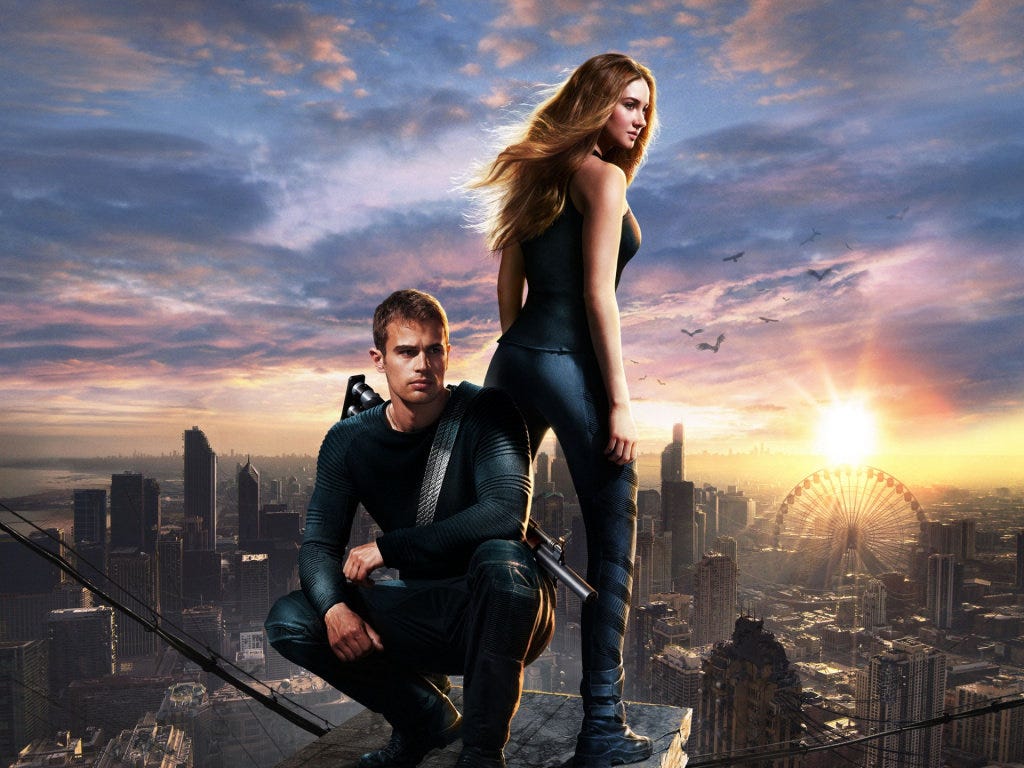
Divergent takes place in a post-apocalyptic version of Chicago, in which society is split into five factions; Abnegation, the selfless; Amity, the peaceful; Candor, the honest; Dauntless, the brave; and Erudite, the intelligent. These factions live separately from each other, and each have firm roles, with Dauntless acting as soldiers and police, and Abnegation taking governing positions. At 16, each citizen must take an aptitude test to determine which faction they are most suited to, before choosing which faction to spend the rest of their life in during a choosing ceremony a few days later. Our protagonist, the Abnegation-born Tris, is told her aptitude test results are inconclusive- she is selfless AND brave AND smart. She is Divergent.
This, apparently, is very dangerous. She doesn’t conform, and so she threatens society’s nature altogether. She has to hide who she truly is to avoid being persecuted, and eventually sparks a revolution to free other Divergents, and the rest of society, from this oppressive and restrictive regime.
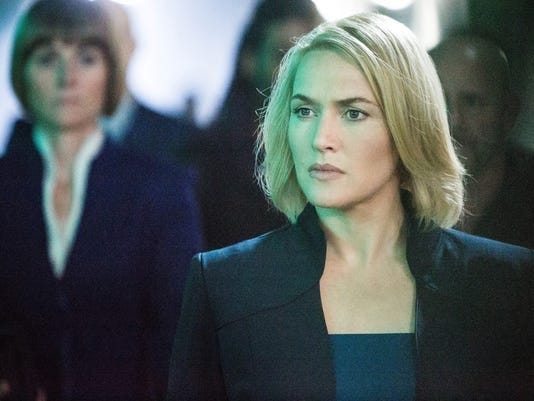
Sounds thrilling, right? Strong teenager who is Not Like Other Girls (she has more than one personality trait) and stars a rebellion with her hot boyfriend who is also Not Like Other Girls. I remember being 11 years old reading Divergent for the first time and thinking omg… she’s just like me… I’m also kind and smart at the same time! The concept of being vaguely multi-faceted making a person dangerous and unique is honestly hilarious and slightly dangerous for my ego. In the film, the authoritarian leader of Erudite (played by Kate Winslet) says that Divergents embody “the threat of independent will,” which drew a laugh from me and my friends due to how insane it sounds when you’re not 11.
But other than having a fairly ridiculous premise, what made Divergent so bland, and frankly, cringeworthy? It feels like Roth stripped the dystopia genre down to its bare bones. Oppressive government? Check. Segregated society? Check. Rebellion? Check. Mary-Sue main character that the reader can project onto? Check. Brooding, mysterious, handsome bad boy love interest with a past? Check. What’s the motivation behind all of this? Uh… the people who set up the system thought it would be better. In Allegiant, the third and final (main) novel in the series, it is revealed that the system was set up as an experiment by the US government to separate the “genetically pure” Divergents from the “genetically damaged” general population. (I had forgotten this, and reading through the plot summary of Allegiant had my jaw on the floor). This only heightens my feelings that the world-building and setting of Divergent was an after-thought. The whole of Allegiant is regarded as a downgrade from the rest of the series, and I wouldn’t be surprised if Roth had no idea where the story would end when she was writing the first two instalments. It reads like a publisher was breathing down her neck begging for the final addition to the trilogy, both in plot and prose.
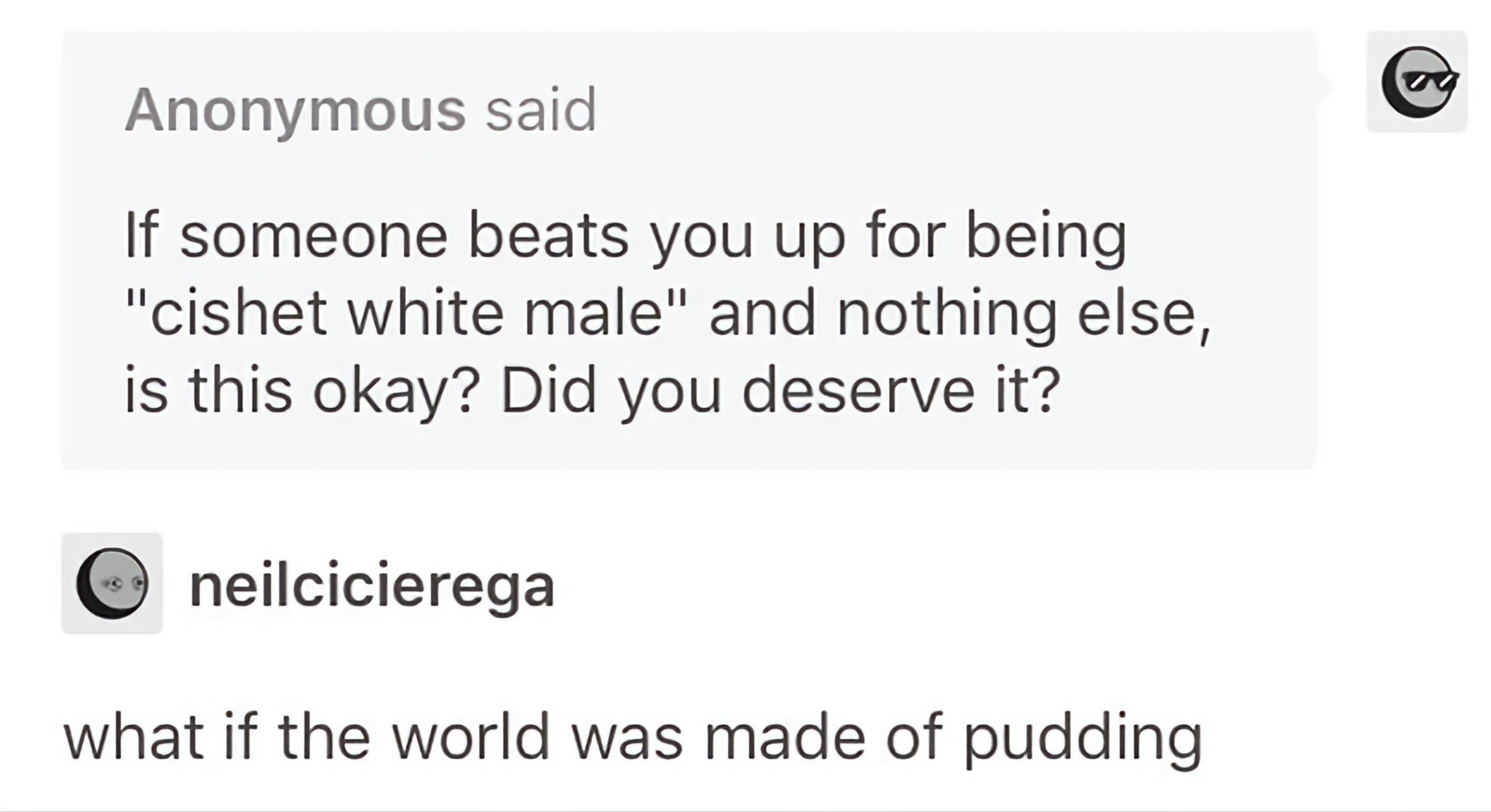
Generally, Divergent feels like someone saw the popularity of dystopia and thought I could do that. And do that she did- the impact and success of Divergent can’t be denied! However, there was nowhere left to go after that- Roth had reduced dystopia to the bare minimum, and left readers and authors alike wondering what the point was in the first place. Other dystopias hold up because they make comments about real life, allowing us to realise the flaws of our society by taking things out of context. The Hunger Games has been praised for this, as well as adult dystopian fiction, such as Margaret Atwood’s The Handmaid’s Tale. Divergent, on the other hand, asks “What if we persecuted people with multiple personality traits?” And to that I reply, “What if the world was made of pudding?”
I want to finish this up by recommending some underrated YA dystopia that’s worth a read- all of these could have their own articles one day (and they might! Stay tuned.)
Gone, Michael Grant- everyone over the age of 14 disappears, kids start developing weird powers. To this day I think this series has some of the best characterisation I’ve ever read.
Legend, Marie Lu- enemies to lovers at its best! Inspired by by Les Miserables so if you ever wanted Jean Valjean and Javert to kiss, this one is for you.
The Hunger Games, Suzanne Collins- obviously. There is a reason this series is the cornerstone of YA dystopia. (If you want to read my thoughts on the films you can check out my article here!)